






Mirrorless Camera vs Action Camera: Which Camera Should You Choose?
The mirrorless camera revolutionized photography by eliminating the heavy mirror setups found in traditional DSLRs. Small but strong, they give high-quality image results without the weight, so most photographers are using them these days.

Light goes straight from the lens to the sensor, showing your photo live on the rear screen or EVF. This way, you get instant feedback on lighting plus quicker shooting speeds. No matter your level of expertise, knowing how these cameras function can help you make informed equipment decisions.
Choosing between a mirrorless camera and an action camera depends on how you shoot. Mirrorless cameras excel at photography and cinematic video, while action cameras are designed for portability, durability, and capturing POV footage in challenging environments.
What Is a Mirrorless Camera?
A mirrorless camera captures images without the mirror setup used in DSLRs. Instead of sending light via a mirror to a viewfinder, light is sent straight to the sensor, which removes the need for mirrors altogether. Your observed scene is then shown instantly on either the EVF or the rear LCD screen because it is continually "updated" and thus allows adjustment of the settings of the photo before capturing it.
The absence of moving mirrors makes these cameras more compact, lighter, and quieter than DSLRs. Many current mirrorless models include swappable lenses, offering versatility across various shooting conditions.
Is Mirrorless Better for Beginners?
Mirrorless cameras have many advantages for people new to photography. Because they use an electronic viewfinder, changes in exposure, white balance, and depths of field show up instantly and can be adjusted as needed. Newcomers can therefore easily and quickly learn how different controls work together.
The reduced weight encourages beginners to take their cameras along regularly so they can get more practice. Since camera touchscreens work almost similarly to those of phones, people find them simple, reducing intimidation.
However, those new to photography should keep battery life limits in mind. Since mirrorless models use screens nonstop, they consume power faster. Basic DSLRs in the used market could be more beneficial because of the availability of many low-cost lenses.
Advantages and Disadvantages of a Mirrorless Camera
Key Advantages
Compact Design:
Due to the absence of mirror mechanisms, these cameras are lighter than DSLRs, which is why many casual photographers value their smaller size.
Real-Time Exposure Preview:
Preview the final image before capturing; therefore, there is no need to review each photo just to check brightness.
Advanced Focus Control:
Today’s mirrorless cameras feature phase-detection coverage across the entire sensor. This means that tracking faces or eyes is highly effective, and useful for portraits or action scenes.
Silent Shooting:
Electronic shutters eliminate mechanical sound, so it’s ideal for events like weddings, documentaries, or filming wildlife where discretion is essential.
Video Excellence:
Most mirrorless cameras capture videos more effectively than DSLRs. Autofocus stays sharper while filming, and it supports higher frame rates.
Notable Disadvantages
Battery Life:
Constant power drain from display usage means that fewer photos can be taken per charge. Extra batteries will be needed for serious shoots.
Lens Choice:
Though improving fast, certain mirrorless setups don’t yet have the long history of lens development that DSLR systems offer.
EVF lag:
Poor lighting or outdated cameras may cause screen response delays when quick shots are necessary. Real-time accuracy can be affected when action speeds up, and performance drops can become noticeable.
Menu complexity:
Extra functions are usually buried in many-layered menus, so it can take longer for new users to learn them.
Do Professionals Prefer Mirrorless or DSLR?
The photography industry widely adopted mirrorless systems. Companies like Canon and Nikon concentrate more on these cameras instead of the advancing DSLRs.
Sports photographers prefer mirrorless cameras thanks to superior autofocus tracking. Quiet operation matters, so wedding photographers like models with silent shooting modes, while the live exposure preview in tricky light is also helpful. The sharp detail from the high-resolution sensors makes a big difference to commercial photographers.
Many professionals keep on using DSLRs, especially if they’ve spent a lot on lenses, although both kinds deliver professional results. Choosing a camera comes down to work preferences and what the task demands.
Which Is Better: Mirrorless or DSLR Cameras?
This comparison chart shows main contrasts:
| Feature | Mirrorless | DSLR |
| Size & Weight | Compact and lightweight | Larger and heavier |
| Autofocus | Fast, advanced (especially for video) | Reliable, slightly slower in live view |
| Viewfinder | Electronic (EVF) - shows exposure preview | Optical—shows direct light path |
| Battery Life | Shorter (200-400 shots typical) | Longer (600-1000+ shots typical) |
| Video Capabilities | Superior - designed for hybrid shooting | Adequate but less advanced |
| Lens Selection | Growing but newer system | Extensive with many affordable used options |
| Price | Generally higher for equivalent performance | More budget-friendly options available |
Your priorities determine what works best. Choose mirrorless when small size, fast autofocus, or strong video features matter more. If longer battery life is key, or you prefer using an optical viewfinder, or your system relies on low-cost, affordable used lenses, go for a DSLR.
Are Action Cameras Mirrorless Cameras?
While action cameras don't have mirrors, labeling them mirrorless cameras misses the point entirely. Though they fit the technical definition, the term just doesn't apply well.
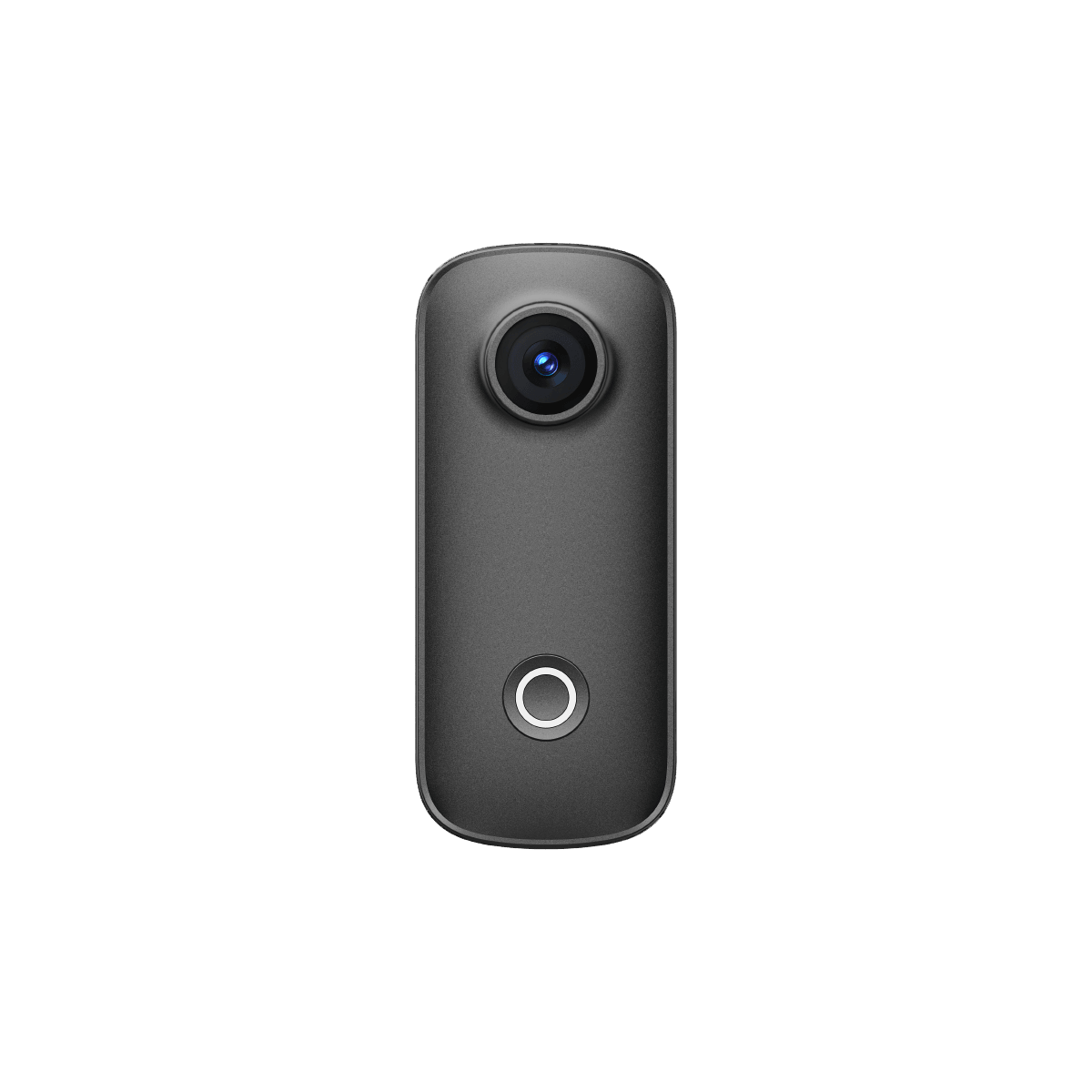
Action cameras fulfill fundamentally different roles. Toughness, water resistance, and wide-angle views are prioritized, while interchangeable lenses and manual control are less important. Such sturdy devices endure environments where regular cameras will not last. Their fixed ultra-wide lenses record engaging POV clips, while compact bodies attach easily to headgear, bicycles, or equipment.
Action Cameras vs. Mirrorless Cameras: Which to Choose?
Think about your possible shooting scenarios before choosing a camera type.
Choose Action Cameras When:
- Capturing extreme sports and outdoor activities
- Mounting cameras on equipment or vehicles
- Photographing in damp, dusty, or extreme conditions
- Capturing ultra-wide POV perspectives
- Requiring durability and also easy portability
Choose Mirrorless Cameras When:
- Image quality matters more than durability
- You require interchangeable lenses to adapt easily
- Manual control over exposure settings matters
- Filming classic photography or high-quality videos
- Producing content that requires a shallow depth of field
Mirrorless Camera vs. Action Camera: Key Differences
| Feature | Mirrorless Camera | Action Camera |
|---|---|---|
| Image Quality | Excellent | Good |
| Portability | Medium | Excellent |
| Lens Options | Interchangeable | Fixed wide-angle |
| Stabilization | Depends on the model | Built-in |
| Waterproof | Usually requires housing | Often ready |
| Mounting | Limited | Extensive |
| Best For | Photography | Adventure & POV |
Best Action Camera Alternative to Mirrorless Cameras
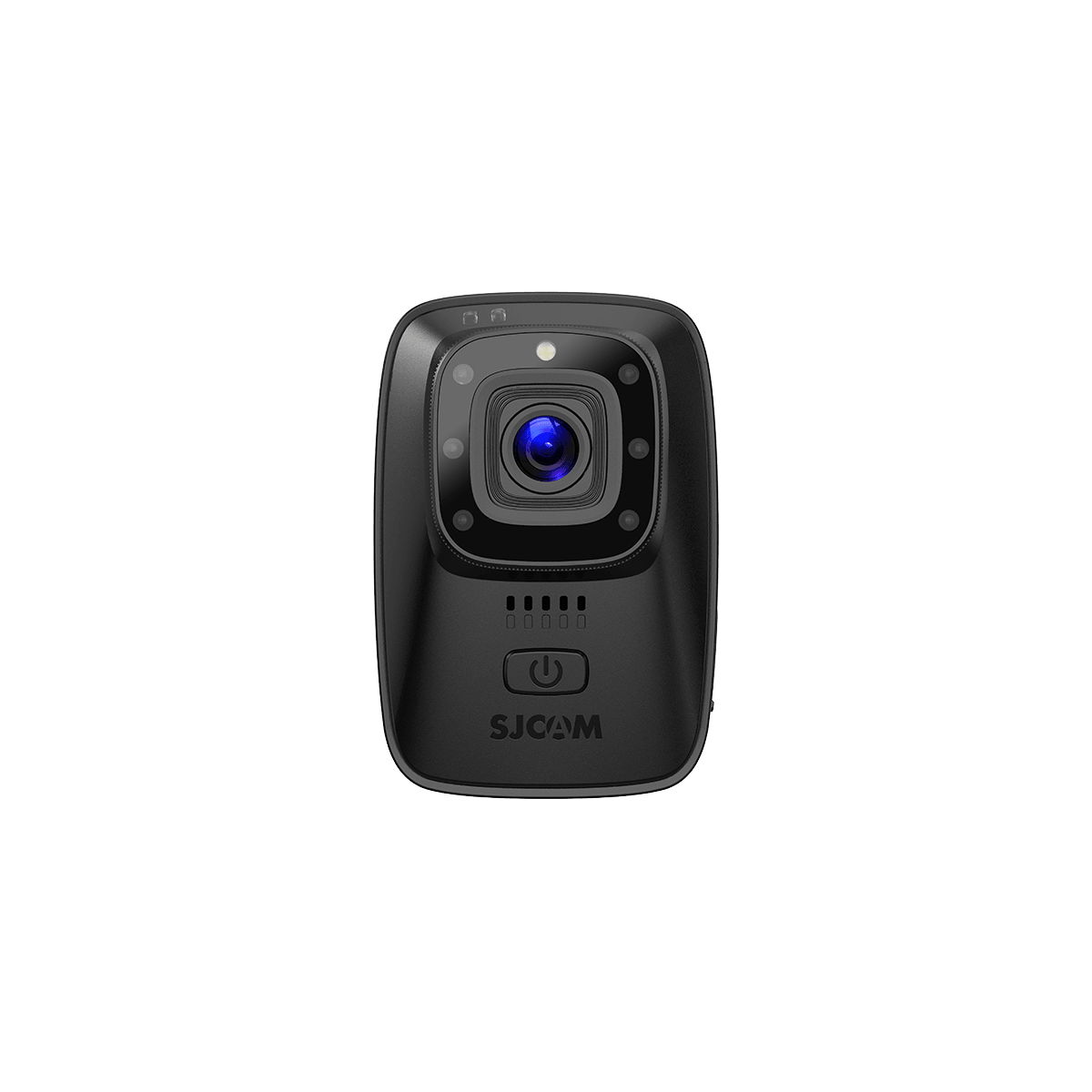
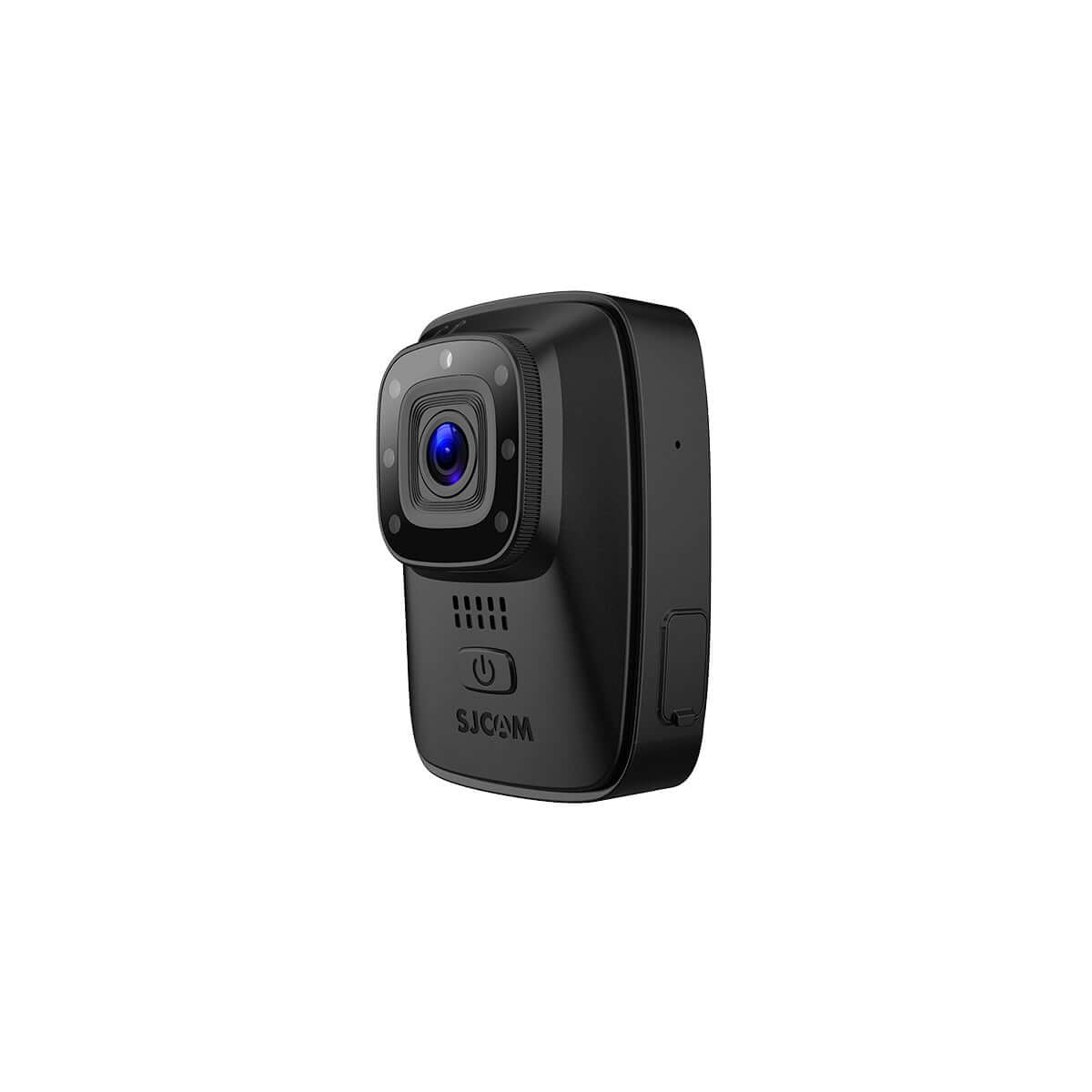
While mirrorless cameras offer excellent image quality and professional control, they can be bulky for travel, outdoor activities, and everyday recording. An action camera provides a more portable solution with features like 4K video, built-in stabilization, wide-angle lenses, and hands-free mounting options.
For travelers, vloggers, and adventure creators, an action camera can be a practical alternative when portability and flexibility matter most.
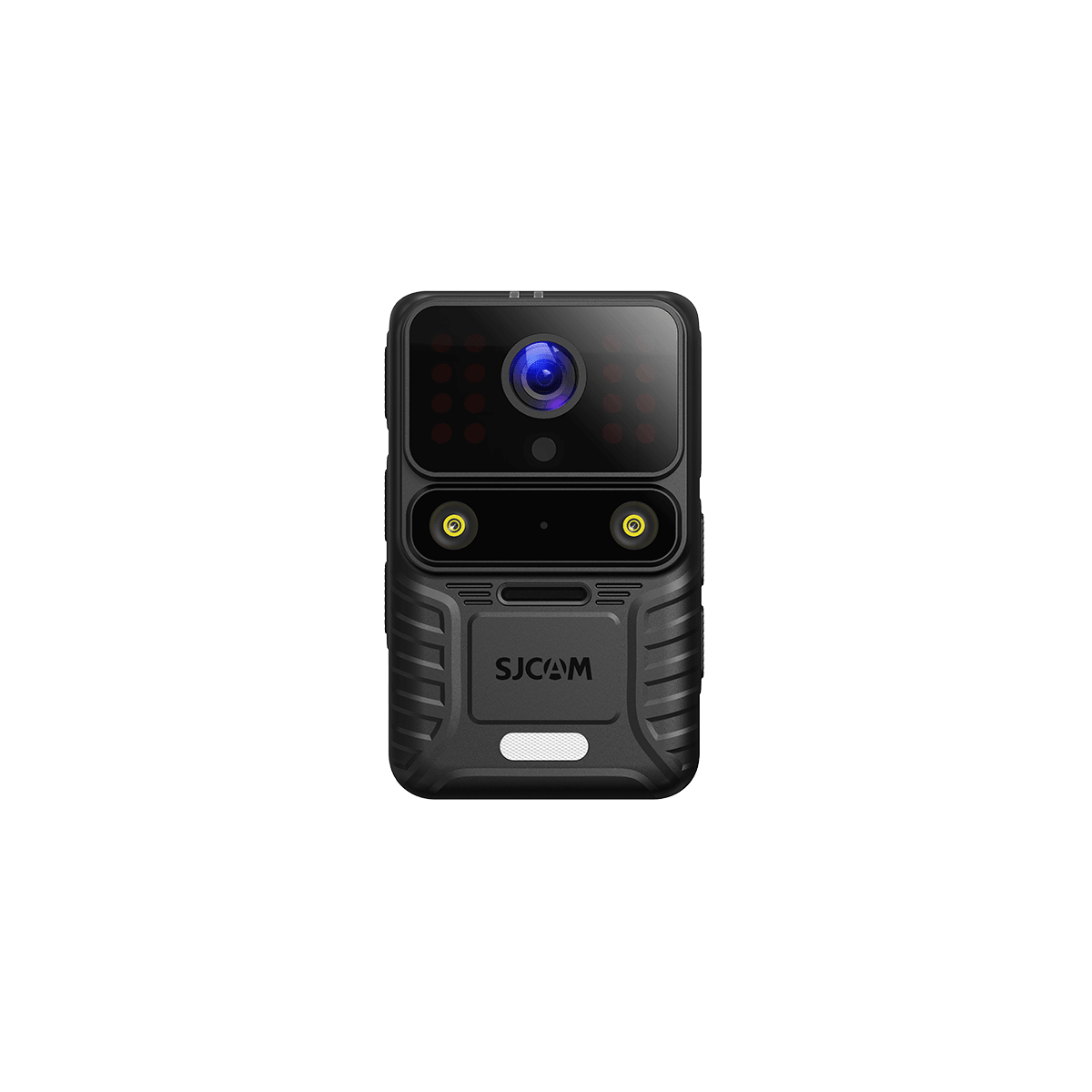
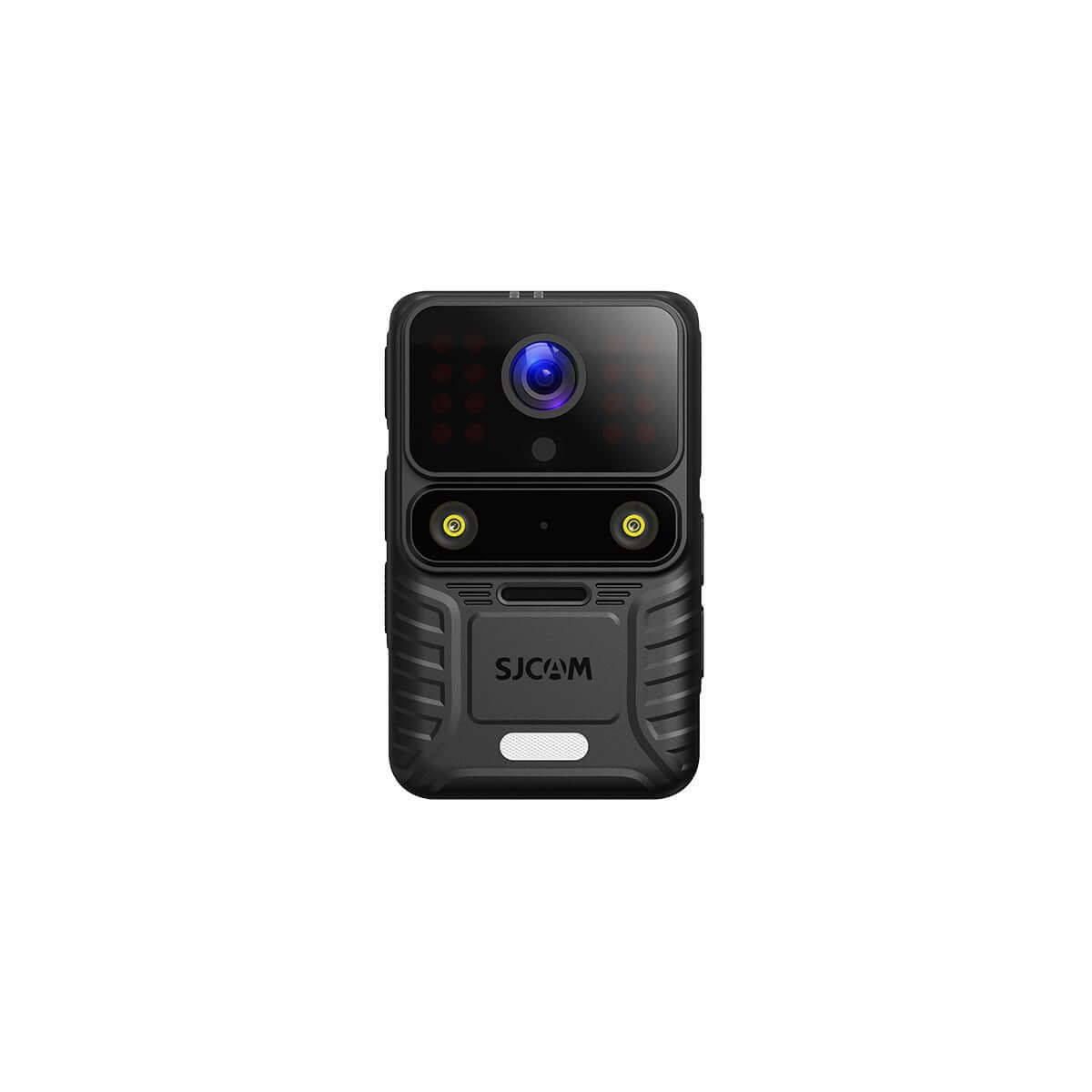
SJCAM SJ20 Dual Lens Action Camera
The SJCAM SJ20 is a versatile suggestion for adventure enthusiasts. This dual-lens camera suits those who want to record standard as well as ultra-wide angles while filming on the move. The tough, waterproof camera can withstand rough use yet still keeps video super steady even in extreme situations. Budget-friendly, it captures solid POV without the size or cost of bigger setups, which makes this camera the perfect all-rounder for use in almost any situation.

Conclusion
The mirrorless camera market keeps evolving fast, giving shooters strong capabilities in smaller packages. Although DSLRs still hold value, particularly secondhand, mirrorless setups are shaping what’s ahead for changeable-lens photography.
Some successful creators rely on both types. Action cameras record high-energy moments during activities, and mirrorless models handle interviews, close-up shots, or footage needing professional imagery. Experts appreciate advanced focus systems and high-end video tools. Those using action cameras value toughness when it matters, especially in harsh conditions.
Your decision comes down to your needs, budget, and shooting style. Instant feedback works well for newcomers, alongside simple controls. Consider all choices carefully, and rent first if possible. Remember, the right camera is simply the one you’ll end up using. Whether you pick mirrorless, DSLR, or action cameras, what matters is learning how to work well with what you’ve got.
Frequently Asked Questions
What's cheaper, DSLR or mirrorless?
Entry-level DSLRs usually have a lower initial price, particularly second-hand, since older versions can offer solid performance at reduced rates. Yet, newer mirrorless options tend to deliver stronger overall worth based on what they can actually do. Prices between the two types are now closer due to increased manufacturing of mirrorless units. Think about full setup expenses, like lenses and add-ons, not only the base unit’s tag.
How do DSLR cameras differ from mirrorless ones?
The key distinction is how light moves inside the camera. Because DSLRs have a mirror, they direct incoming light to an optical finder you look through. In contrast, without that mirror, mirrorless models route light straight to the sensor. As a result, images appear on a screen instead. So these bodies tend to be more compact and weigh less.
Also, their shooting speed often improves. On the one hand, DSLRs last longer between charges. Their viewfinders show exactly what’s out there naturally. Meanwhile, mirrorless ones preview exposure settings live. Plus, they usually handle video tasks better.
What is a mirrorless digital camera?
A mirrorless digital camera takes pictures without a mirror setup. Because light moves straight from the lens to the sensor, images form instantly and are shown live on an electronic finder or screen. Often, they allow different lenses to be swapped in, offer hands-on settings, and use big sensors just like DSLRs do. Without requiring internal mirrors or prisms, their build becomes smaller while keeping sharp results.


